Ropa drożeje, gdy napięcia USA-Iran wywierają presję na rynki globalne
wtorek 18 sierpień 2026
On Tuesday, July 4, the United Nations (UN)' weather agency, the World Meteorological Organization (WMO), officially declared the start of the major climate phenomenon known as "El Nino". The agency warned that it could lead to a spike in global temperatures and extreme weather conditions, while it believes that the major climate phenomenon will prevail in the second half of the year.
Typically, El Nino leads to fluctuations in wind speeds and precipitations that impact renewable energy sources. Surface wind speeds tend to be lower and generally produce drier conditions that could leave a sizable number of wind turbines inactive. El Nino typically lasts close to a year, with the impact on power generation potentially extending into the first half of 2024.
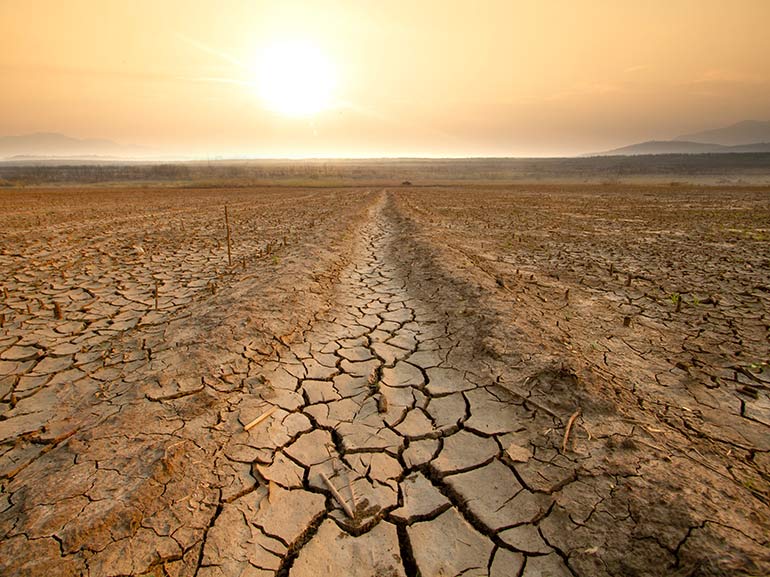
According to data from the US National Centers for Environmental Prediction, Monday, July 3rd, was unofficially the hottest day on record, overtaking the last record set in August of 2016. Scientists blamed a combination of climate change and El Nino, suggesting a series of new record-high temperatures would be set this year.
The US Environmental Protection Agency (EPA) said that higher global temperatures might increase energy demand, with increased demand for cooling more than offsetting the drop in demand for heating. The EPA suggested that more energy demand would require more investment in generation and new investment in increased distribution. Warmer temperatures also reduce the efficiency of existing power production. For example, last year, high temperatures in Europe forced France to restrict or shut down many of its nuclear power facilities, resulting in the forced importation of electricity.
El Nino, a Spanish word that means “the little boy,” is a naturally occurring climate pattern characterised by the warming of sea surface temperatures in the tropical eastern Pacific part of the Southern Oscillation system (ENSO), including its opposite, La Nina. El Nino is when the sea's surface increases in temperature by at least 0.5 degrees Celsius above the long-term average. Typically, it lasts nine to twelve months and occurs every two to seven years.
The effects of the phenomenon peak around December, but global impact takes time to spread around the globe. For this reason, the meteorologists expect the impact to be seen in 2024. The warmest year ever recorded so far was 2016, which was also preceded by a powerful El Nino, boosting global temperatures. (Source:CNBC)
The impact of El Nino can vary, and how much of an impact depends on how strong the pattern is. The change in weather patterns can have a diverse range of impacts; for example, the drop in rainfall in Panama is seen as causing disruption in the vital canal, forcing ships to carry lighter loads, and potentially interrupting supply chains between the Atlantic and the Pacific.
Global commodity supply can be affected, such as heavier rain in Chile disrupting copper mining. On Friday, Copper (HG) prices rose about 1.9% despite slowing demand in China. On the other hand, drought in Asia can lead to a shorter monsoon season, which helps the extraction of other ores such as bauxite, nickel, and tin. But those drier conditions can increase the risk of drought and wildfires, which have been increasing in prevalence due to climate change. Last year, China faced drought conditions that disrupted global supply chains, and the country had to increase imports of food and fossil fuels.
El Nino can also impact the commodities market, indirectly influencing the price of Brent (EB) oil. Examples of commodities being affected are drier conditions as they curtail hydroelectric production, notably in Latin America, leading to power shortages and rising prices.
El Nino is also expected to push up energy demand from businesses and homes as they ramp up air conditioning usage due to heatwaves. Declining agricultural production due to drought also results in more inflation, putting more pressure on economies. It's envisaged that the expected disruption in agricultural output could cause food prices to climb.
A moderate El Nino is seen as likely not to impact the inflation outlook all that much, but a more severe one could push food inflation back into the double digits during 2024. Emerging markets (EM), like Brazil, are seen as the most vulnerable since they rely heavily on agricultural output.
The UN weather agency on Tuesday declared that El Nino has arrived, which could potentially lead to an increase in global temperatures. The phenomenon can have significant impacts on global weather and economies. The effects tend to peak around December. Changes in weather patterns could cause disruption in agriculture and energy production that could lead to higher food and energy prices, potentially dragging on global economies.
While El Nino is expected to shift the commodities markets, other factors can always come into play. As such, whether or not El Nino will have the expected impact is yet to be determined. Traders may want to keep a keen eye on the general markets, focusing on the commodities sector, in particular, to see what will happen.



Poznaj spostrzeżenia dzięki pouczającym filmom, artykułom i przewodnikom znajdującym się w naszej kompleksowej Akademii handlowej.
Odkryj, co nabiera popularności w Plus500 i poza platformą.
Informacje te zostały opracowane przez spółkę Plus500 Ltd. Informacje są przekazywane wyłącznie do celów ogólnych i nie uwzględniają żadnych osobistych okoliczności ani celów. Przed podjęciem działań na podstawie niniejszych materiałów, rozważ, czy jest to rozwiązanie odpowiednie w Twojej sytuacji, a w razie potrzeby zasięgnij profesjonalnej porady. Nie udziela się żadnych oświadczeń ani gwarancji co do dokładności lub kompletności tych informacji. Nie stanowią one porad finansowych, inwestycyjnych ani żadnych innych, w oparciu o które można podejmować działania. Żadne odniesienia do wyników z przeszłości, zysków historycznych, przewidywań i prognoz statystycznych nie stanowią gwarancji przyszłych zysków ani przyszłych wyników. Plus500 nie ponosi odpowiedzialności za jakiekolwiek wykorzystanie tych informacji oraz za jakiekolwiek konsekwencje, które mogą wyniknąć z takiego wykorzystania. W związku z tym każda osoba działająca w oparciu o te informacje robi to na własną odpowiedzialność. Niniejsze informacje nie zostały przygotowane zgodnie z wymogami prawnymi mającymi na celu promowanie niezależności badań inwestycyjnych.
CFD na kryptowaluty nie są dostępne dla klientów detalicznych.
Kontrakty CFD są złożonymi instrumentami i wiążą się z dużym ryzykiem szybkiej utraty środków pieniężnych z powodu dźwigni finansowej. 76% rachunków inwestorów detalicznych odnotowuje straty w wyniku handlu kontraktami CFD u niniejszego dostawcy. Zastanów się, czy rozumiesz, jak działają kontrakty CFD, i czy możesz pozwolić sobie na wysokie ryzyko utraty pieniędzy.